A solar inverter converts the direct current (DC) produced by your solar panels into alternating current (AC) that powers your home. Its size — measured in kilowatts (kW) or watts (W) — determines how much electrical load it can handle at any moment. Choosing the right size is the single most important decision in a solar installation: too small, and the system trips or underperforms; too large, and you pay for capacity you never use.
Step 1: Calculate Your Total Power DemandStart by listing the appliances you want to run simultaneously and add up their wattage. A typical household example:
Add roughly 20–25% headroom on top of your total for motor start-up surges and future expansion. If your simultaneous load is 3,000W, a 3.5–4kW inverter is the sensible minimum.
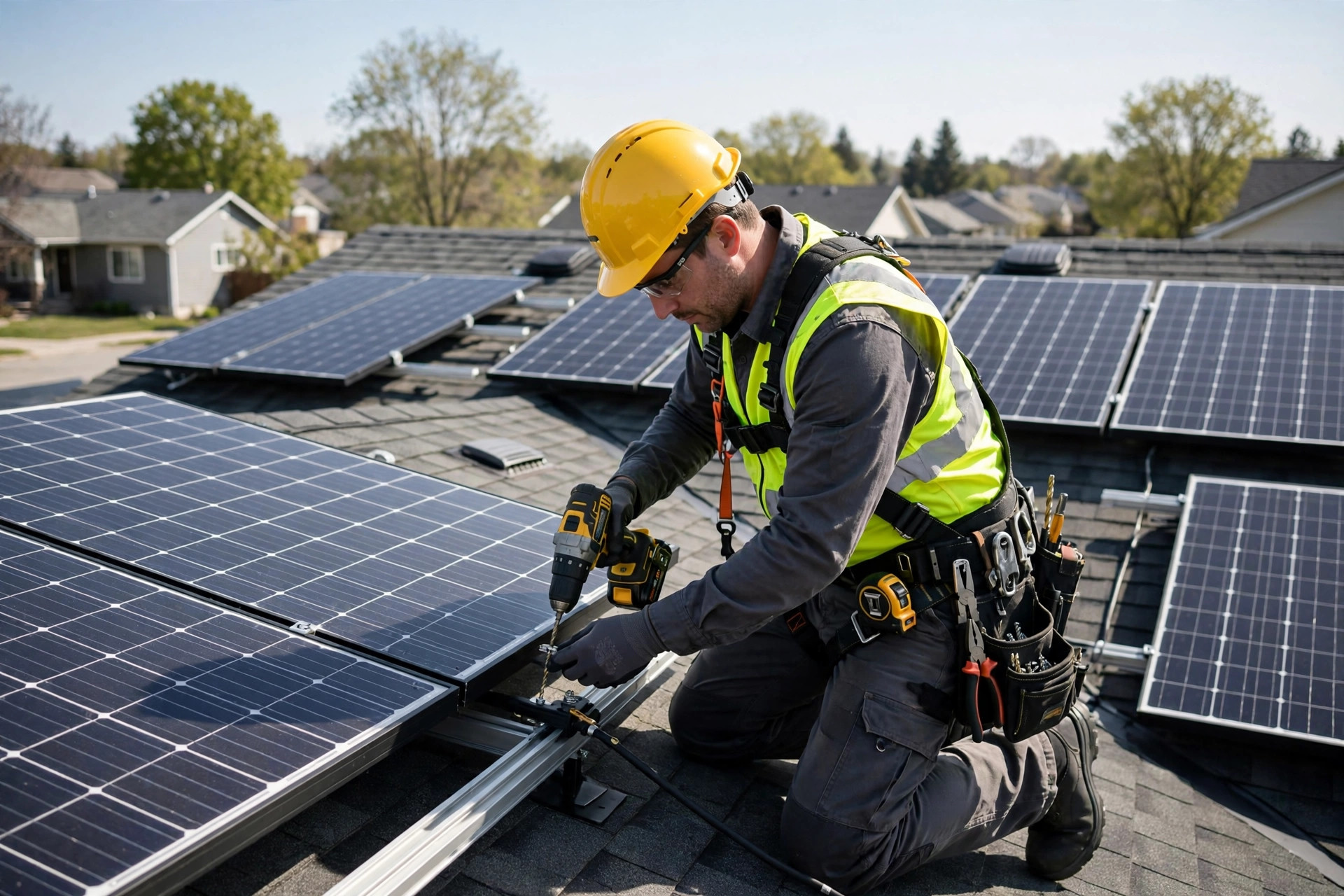
Your inverter should be sized in relation to your solar panel array. As a rule of thumb, the inverter's rated capacity is typically 80–120% of the array's DC capacity. A 5kW solar array, for example, pairs well with a 4–5kW inverter. Undersizing slightly (a lower inverter-to-array ratio) is common and cost-effective in regions with moderate sunlight, because panels rarely produce their rated peak output.
Common Residential Sizes: 3kW vs 5kW vs 10kW3kW inverters suit small households or apartments with modest consumption — lighting, refrigeration, electronics, and a washing machine. They typically pair with 12–16 solar panels.
5kW inverters are the most popular choice for average family homes. They comfortably cover daily loads including an air conditioner, and pair with 16–22 panels depending on panel wattage.
8–10kW inverters serve larger homes, home offices with heavy equipment, or households planning to add an electric vehicle charger or battery storage later.
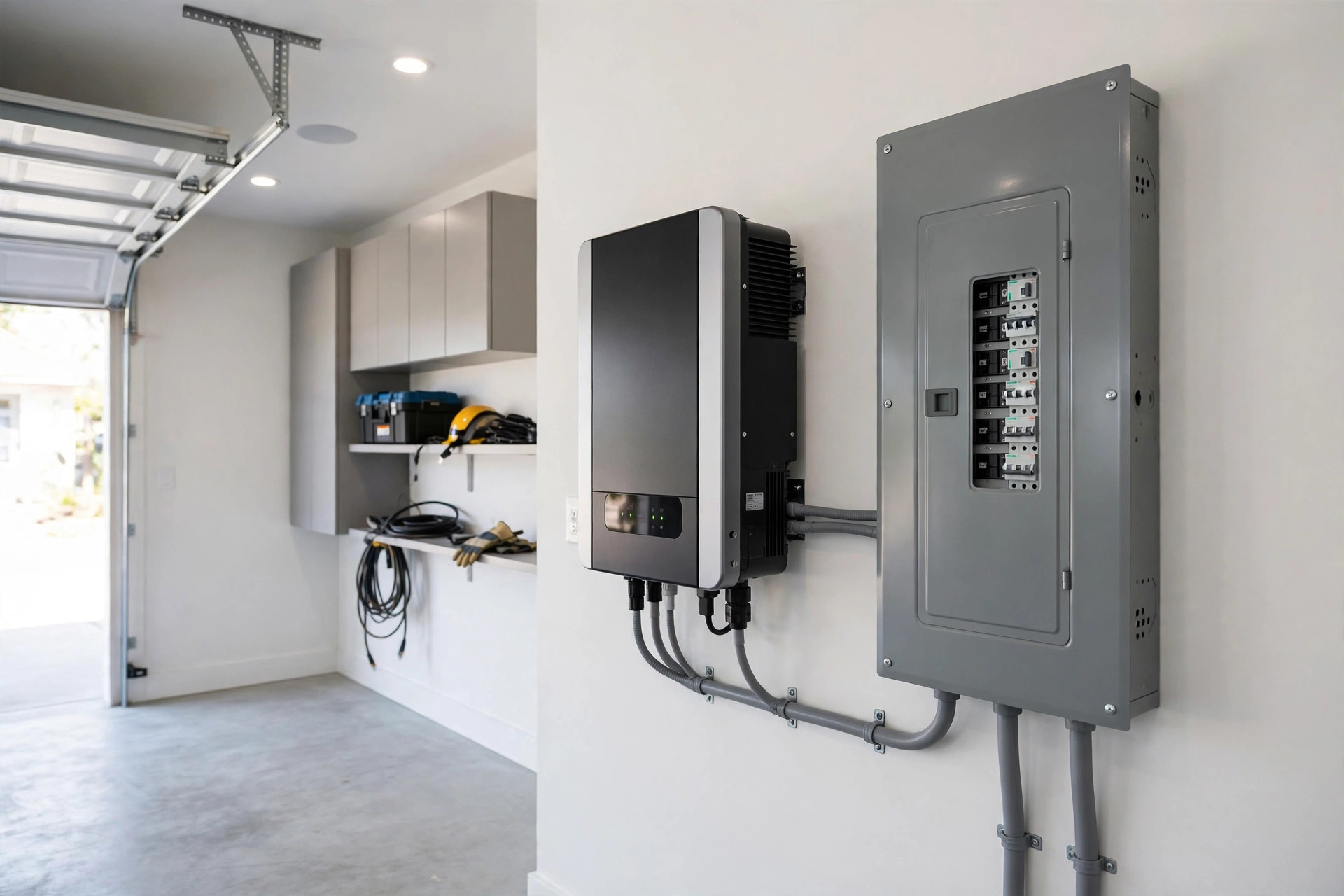
An undersized inverter will clip excess solar production on sunny days (wasting free energy) and may shut down or overheat when loads exceed its rating. An oversized inverter, on the other hand, operates inefficiently at low loads and costs more upfront without delivering extra benefit. The sweet spot is an inverter that covers your peak simultaneous load with about 20% margin.
Pure Sine Wave MattersWhatever size you choose, make sure the inverter produces a pure sine wave output. Modified sine wave inverters can damage sensitive electronics, cause buzzing in audio equipment, and reduce the lifespan of motor-driven appliances. All quality residential solar inverters today — including those from Zhejiang Sunrise New Energy Co., Ltd. — use pure sine wave technology with high conversion efficiency and built-in protections against overload, short circuit, over-temperature, and reverse polarity.
Frequently Asked QuestionsCan I use a bigger inverter than my solar array?
Yes, within reason. An inverter up to about 120% of your array capacity works fine and leaves room to add panels later.
Can I connect two inverters together?
Some models support parallel operation for expanded capacity. Check the manufacturer's specifications before attempting this.
Do I need a battery with my solar inverter?
Not necessarily. Grid-tied systems feed excess power to the grid without batteries. Off-grid systems require battery storage, in which case consider a hybrid inverter with a built-in charger.
How long does a solar inverter last?
Quality inverters typically last 10–15 years, shorter than the 25-year lifespan of solar panels, so budget for one replacement over the life of your system.

Sizing a solar inverter doesn't have to be guesswork. Calculate your loads, match your array, and leave sensible headroom — or talk to a specialist. Zhejiang Sunrise New Energy Co., Ltd. designs pure sine wave solar inverters for residential, RV, and off-grid applications, and our engineers can help you size the perfect unit for your project. Contact us for a free sizing consultation.

We use cookies to enhance your browsing experience, serve personalized ads or content, and analyze our traffic. By clicking "Accept All", you consent to our use of cookies.