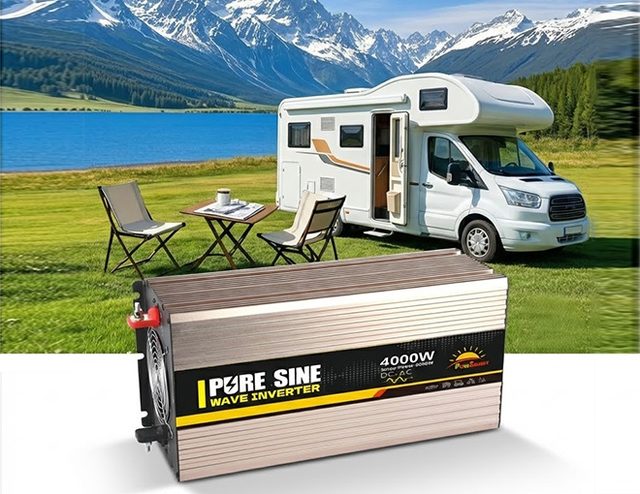
Most long-haul trucks run comfortably on a 1500W–2500W pure sine wave inverter connected directly to the truck battery bank — enough for a mini fridge, microwave, laptop, TV and phone charging in the sleeper cab. Trucks that only charge phones and a laptop can use 800W–1000W. This guide from Zhejiang Sunrise New Energy Co., Ltd. explains how to choose, wire and use a truck inverter safely.
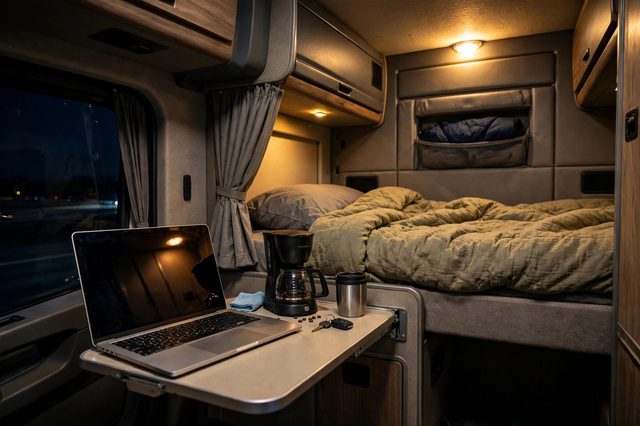
What Can a Truck Inverter Power in a Sleeper Cab?A truck inverter converts battery DC into household AC, so normal cab appliances work exactly as they do at home:
| Sleeper cab appliance | Typical running watts |
|---|---|
| Phone tablet chargers | 20–60W |
| Laptop | 45–90W |
| Mini fridge / cooler (AC mode) | 60–120W |
| TV | 60–120W |
| CPAP machine | 40–90W |
| Coffee maker | 600–1200W |
| Microwave | 800–1500W |
| Electric kettle | 1000–1800W |
| Hair dryer | 1000–1800W |
Add up the running watts of everything that will run at the same time, then leave 20–30% headroom. In practice, staggering heavy loads — not running the microwave and kettle at the same moment — is the simplest way to stay within a smaller inverter. For a typical sleeper cab, 2000W continuous is the practical sweet spot: big enough for a microwave or coffee maker one at a time, without oversizing the wiring.
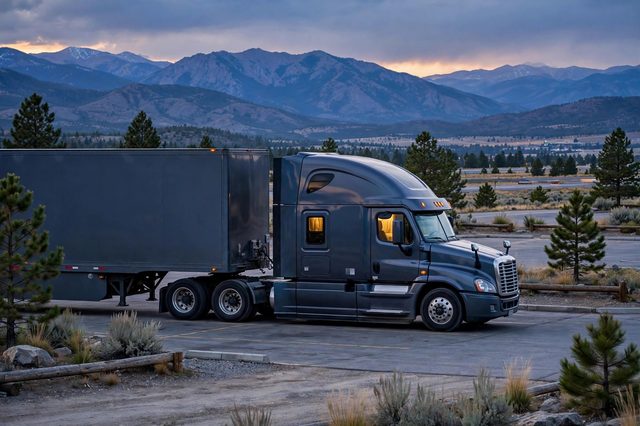
Match the inverter input voltage to the truck's electrical system — never connect a 12V inverter to a 24V battery bank, or the other way round. Many heavy trucks and long-haul fleets use 24V systems, while pickups, vans and lighter trucks are usually 12V. Check the battery arrangement and the vehicle manual before you buy.
Voltage sets the DC current. DC amps ≈ inverter watts ÷ battery volts ÷ 0.85 efficiency. A 2000W inverter draws roughly 195A from a 12V bank, but only about 98A from a 24V bank. That is why 24V is better for large truck inverters: half the current means thinner cables, less voltage drop and less heat. A native 24V inverter is safer than tapping only one 12V battery in a series pair, which unbalances the bank.
How Do You Protect the Truck Batteries Overnight?The biggest fear on a rest break is a flat starter battery in the morning. Three habits prevent it:
As a rough guide, a 200W average cab load — fridge, laptop, lights and chargers — uses about 1.6kWh over an 8-hour rest break. Make sure your usable battery capacity comfortably covers that, with margin for cold weather, when batteries deliver less.
Why Pure Sine Wave Matters in a Truck CabPure sine wave output is the same waveform as household power, so cab electronics run correctly and quietly. CPAP machines, laptops, TVs, fridge compressors and microwave clocks are all designed for it. Modified sine wave can make motors run hotter, fans buzz and chargers overheat. Drivers sleep a metre from these appliances, so clean power is a safety issue, not a luxury. For a permanently installed sleeper-cab system, choose pure sine wave.
1. Mount it close to the batteries, in a dry, ventilated spot in or near the sleeper cab, with clearance for the cooling fan. Short DC cables reduce voltage drop and heat.
2. Use thick, finely stranded copper cable sized from the inverter manual for your voltage and cable length, with crimped lugs on every connection. Undersized cable is the most common cause of shutdowns under load.
3. Fit a fuse or DC breaker on the positive cable, close to the battery terminal, rated for the inverter's maximum DC current. This fuse protects the cable and is not optional.
4. Connect negative first, then positive, check every terminal for tightness, and bond the chassis ground as the manual directs.
5. Test with a small load first — a phone charger or lamp — before running the microwave.
Never power a large inverter from the cigarette-lighter socket: those sockets suit only small plug-in inverters of roughly 150W or less. Anything above a few hundred watts must be wired directly to the battery bank with a fuse. Keep it away from fuel lines and bedding, and switch it off when not needed — every inverter draws idle current.
Common Truck Inverter Mistakes to Avoid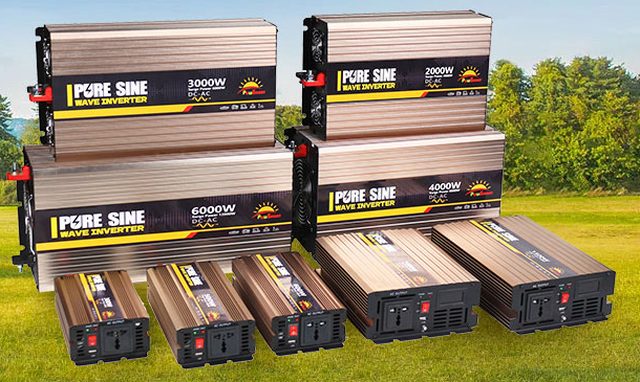
What size inverter does a semi truck need?
Most sleeper cabs need 1500W–2500W continuous pure sine wave. That covers a fridge, laptop, TV and chargers together, plus a microwave or coffee maker used one at a time.
Can a truck inverter run a microwave?
Yes. Most cab microwaves draw 800–1500W. Choose an inverter above that running load with a surge rating for the startup spike, and run it with the engine on when you can.
Will an inverter drain my truck batteries overnight?
It can if loads are heavy or the bank is small. Light loads such as a fridge and chargers are normally fine for one rest break on a healthy bank; use low-voltage protection and switch the inverter off when it is not needed.
Can I plug a big inverter into the cigarette lighter?
No. Lighter sockets are for small loads only, roughly 150W or less. Larger inverters must be hard-wired to the batteries with correctly sized cable and a fuse.
Power Your Cab Like Home, SafelyThe right truck setup is simple: match the voltage to your truck, size for 1500W–2500W in most sleeper cabs, wire it short and thick with a fuse at the battery, and choose pure sine wave. Done properly, you get hot food, cold drinks, charged devices and a proper rest — and a truck that still starts in the morning.
Zhejiang Sunrise New Energy Co., Ltd. designs and manufactures pure sine wave inverters, inverter-chargers (UPS) and solar hybrid inverters for trucks, RVs and off-grid homes. Tell us your truck voltage and the appliances you run, and we will recommend the right size. Visit cninverter.com or contact us: WhatsApp 86 17706649699, email Long@cninverter.com.

We use cookies to enhance your browsing experience, serve personalized ads or content, and analyze our traffic. By clicking "Accept All", you consent to our use of cookies.