If you plan to run laptops, cameras, CPAP machines, or any sensitive electronics in your car, a pure sine wave inverter is the safest choice. It produces AC power that is identical in quality to the electricity from your household outlets, so your devices run smoothly, charge normally, and stay protected from damage.
But is a pure sine wave inverter always necessary for a vehicle? The short answer: for any modern car, RV, or truck used with electronics, pure sine wave is the best — and often the only safe — option. This guide explains why, what goes wrong with cheaper alternatives, and how to pick the right one.
What Is a Pure Sine Wave Inverter?A power inverter converts the 12V or 24V DC power from your vehicle's battery into the 110V or 220V AC power that household devices use. The key difference between inverter types is the shape of the AC waveform they produce:
Because pure sine wave output mirrors mains electricity, every device designed for household use accepts it without stress. When in doubt, choose pure sine wave — it works with everything.
Vehicle electrical systems are harsher than your home's: voltage fluctuates with engine speed, the battery voltage dips when cranking, and space and airflow are limited. Against that background, feeding sensitive devices a stepped or noisy waveform adds a second source of stress. Devices with any of the following are at risk with modified sine wave power:
Common problems with modified sine wave inverters include overheating power bricks, buzzing or humming in audio gear, flickering screens, chargers that refuse to work, and — in the worst cases — premature failure of the connected device. The price gap between modified and pure sine wave inverters has shrunk dramatically, so the risk saving is rarely worth it.
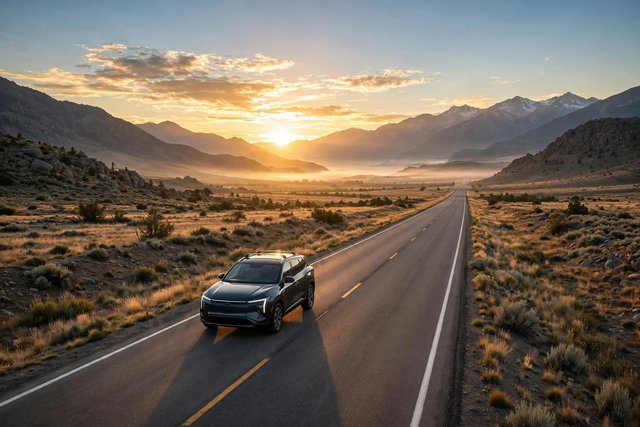
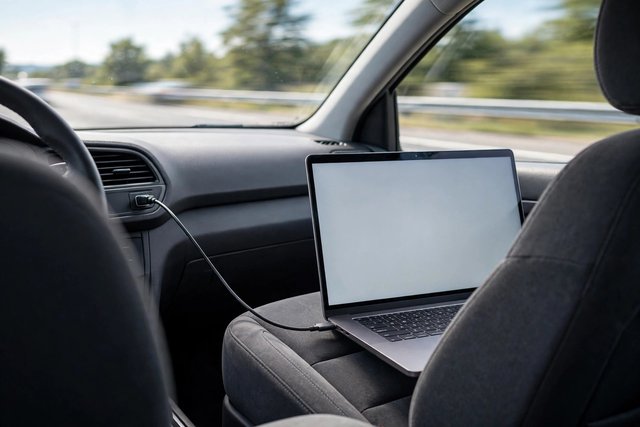
Which Vehicles Benefit Most from a Pure Sine Wave Inverter?Passenger cars: Perfect for road trips and mobile offices — run a laptop, charge camera batteries and drones, or power a small cooler. A compact 300–1000W pure sine wave inverter covers nearly every car scenario.
RVs and camper vans: Off-grid camping relies on AC power for TVs, microwaves, coffee makers, and air-conditioner fans. A 1500–3000W pure sine wave inverter matched to a leisure battery bank delivers clean, quiet power all night.
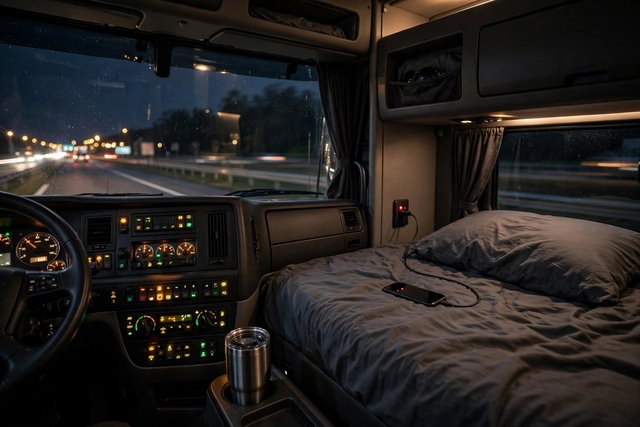
Trucks and commercial vehicles: Long-haul drivers use inverters for microwaves, fridges, and entertainment in the sleeper cab. A 2000–3000W unit on a 24V system handles heavy daily use, and clean output keeps expensive equipment warranties intact.

Sizing follows three steps:
Rule of thumb: pick continuous wattage ≥ 1.25× your total running load, and confirm the surge rating covers your largest motor-driven device. Also match the inverter's DC input to your vehicle's system — 12V for cars and most RVs, 24V for trucks and larger rigs.
Vehicle Inverter Safety: What Should You Watch For?Wire it correctly. High-power inverters draw large currents — a 1000W inverter on a 12V system pulls over 80 amps. Use short, thick cables and connect directly to the battery (or through a properly rated fuse block), not through a cigarette-lighter socket, which is usually limited to about 150W.
Fuse everything. An appropriately sized fuse or circuit breaker on the DC input line protects against short circuits and cable overheating.
Ventilate the unit. Inverters generate heat; mount the unit where air can circulate, away from engine heat and out of direct sun.
Watch battery drain. With the engine off, a large inverter can flatten a starter battery in under an hour. For extended use, run the engine periodically or use a separate deep-cycle leisure battery.
It usually won't destroy it instantly, but it can cause the charger to run hot, charge slowly, or fail to charge at all. For laptops and other expensive electronics, pure sine wave is strongly recommended.
Match the inverter to the vehicle's electrical system: 12V for passenger cars and most RVs, 24V for trucks and heavy equipment. A 24V system draws half the current for the same power, so cables can be thinner and losses lower.
Yes, briefly — but monitor the battery. Small loads like phone charging are fine; heavy loads should be paired with a running engine or a dedicated deep-cycle battery to avoid a no-start situation.
ConclusionPure sine wave inverters are the best choice for cars, RVs, and trucks because they deliver grid-quality power that every device accepts safely. They protect your electronics, run quieter, and the price premium over modified sine wave models is smaller than ever.
Need help sizing a pure sine wave inverter for your vehicle? Zhejiang Sunrise New Energy Co., Ltd. designs and manufactures pure sine wave inverters for cars, RVs, and trucks. Contact us through cninverter.com for expert guidance on choosing the right model for your power needs.

We use cookies to enhance your browsing experience, serve personalized ads or content, and analyze our traffic. By clicking "Accept All", you consent to our use of cookies.