A solar hybrid inverter and battery are compatible only when their electrical limits, battery-management requirements, supported configuration, and intended operating mode work together. Matching the advertised voltage is just the first check. Before ordering, ask for written confirmation covering the exact inverter model, battery model, module quantity, and required firmware.
This checklist helps buyers compare quotations and ask useful technical questions. It is a purchasing guide, not an installation procedure. Have a qualified professional verify the complete system before equipment is connected or commissioned.
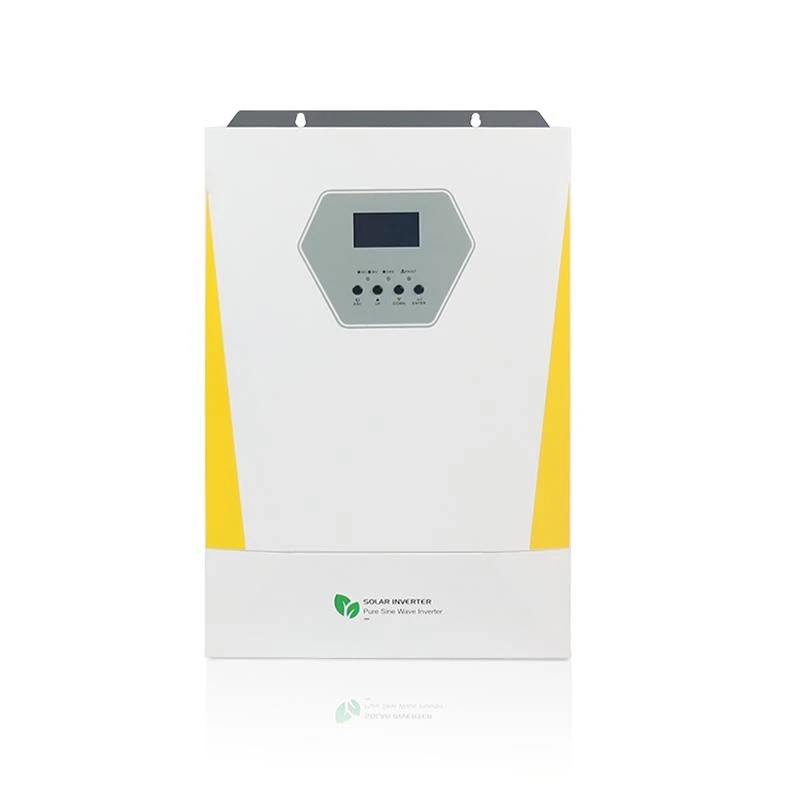
Start with complete model numbers rather than a brand name or a description such as “lithium compatible.” Record the inverter’s regional version, battery chemistry, battery controller, and proposed number of modules. Different products within one family can have different requirements.
Request the current compatibility list and applicable manuals. For example, BYD’s official downloads include compatible-inverter and minimum-configuration documents. Treat such documents as evidence for the equipment they identify, not as approval for an unrelated product.
2. Check Voltage and Charging RequirementsAsk the supplier to compare the battery’s operating voltage range with the inverter’s battery-input range. A low-voltage battery and a high-voltage storage inverter are different system architectures; their power ratings do not establish compatibility.
Also confirm that the inverter supports the battery chemistry and the manufacturer’s charging requirements. The quotation should identify who will verify the approved operating limits. Avoid choosing charging settings from a generic online example or assuming that a lead-acid profile suits a lithium battery.
3. Verify BMS Communication and FirmwareThe battery management system, or BMS, helps control operation within the battery’s limits. In supported managed-battery systems, communication can convey charge-voltage, charge-current, and discharge-current limits. Victron’s control documentation illustrates this relationship and specifies compatibility and firmware requirements.
A matching communication-port label alone is insufficient evidence. Ask for confirmation of the supported protocol, required interface or cable, and firmware combination. Have the supplier explain what happens if communication is lost. If operation without direct BMS communication is proposed, request written approval for that exact configuration from the relevant manufacturers.
4. Compare Battery Power and Stored EnergyBattery energy capacity, measured in kilowatt-hours (kWh), describes stored energy. Power capacity, measured in kilowatts (kW), describes the rate at which energy can be delivered. The U.S. Department of Energy’s storage overview explains this distinction.
Check both figures. A battery with enough energy for an evening may still have insufficient discharge power for several appliances running together. Ask the supplier to verify continuous output, short-duration demand, and charge capability for the proposed battery bank. Request estimated backup duration with its assumptions stated, including usable energy, reserve level, conversion losses, and expected loads.
5. Confirm Backup and Expansion ConditionsWrite down whether the project requires solar self-consumption, outage backup, off-grid operation, or a combination. Ask which functions the proposed equipment supports and whether additional equipment is necessary. For backup, identify the intended loads and ask the installer to confirm the supported output and transfer behavior.
If expansion matters, request the permitted module count and the manufacturer’s conditions for adding batteries later. Ask whether future additions must match the original model, capacity, age, or firmware. Do not assume that every battery sold under the same brand can be combined.
6. Collect a Pre-Order Evidence PackSend the same checklist to each supplier so quotations can be compared fairly. When discussing a project with Zhejiang Sunrise New Energy Co., Ltd., include your proposed battery model, installation market, and intended operating mode, and request model-specific documentation before purchase.
Explore our solar hybrid inverter range or contact Sunrise New Energy to request documentation for your proposed system.
Frequently Asked QuestionsNo. Confirm the exact battery’s electrical requirements, communication support, approved configuration, and firmware. A general lithium-battery claim does not establish compatibility for every model.
No. Additional energy capacity may extend runtime, while instantaneous output remains limited by the battery bank, inverter, and system configuration. Ask for both usable kWh and supported kW.
Ask both suppliers for written technical confirmation before buying. An absent listing does not prove incompatibility, but it leaves an important verification gap. Clarify testing, support responsibility, and warranty coverage.

We use cookies to enhance your browsing experience, serve personalized ads or content, and analyze our traffic. By clicking "Accept All", you consent to our use of cookies.