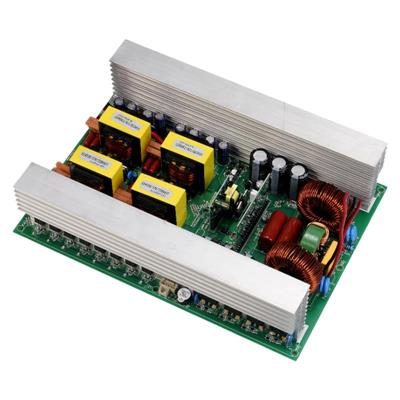
Choose a grid-tied inverter if you have a reliable utility grid and no battery, an off-grid inverter if you have no grid connection and run entirely from panels and batteries, and a hybrid inverter if you want solar, battery backup and the grid working together in one system. This guide from Zhejiang Sunrise New Energy Co., Ltd. compares them side by side.
What Is a Grid-Tied Solar Inverter?A grid-tied (grid-connected) inverter converts solar DC power to AC power in sync with the utility grid, feeds your loads first, and exports any surplus to the grid where local rules allow it. It has no battery connection in its basic form, which makes it the simplest and usually the lowest-cost solar setup.
Its defining limit is safety-related: when the grid fails, a standard grid-tied inverter shuts down, even on a sunny day. This anti-islanding behaviour protects utility workers repairing lines. So grid-tied lowers your bill, but gives no backup during an outage.
Choose grid-tied if your grid is stable, outages are rare and short, and your main goal is reducing daytime electricity costs.
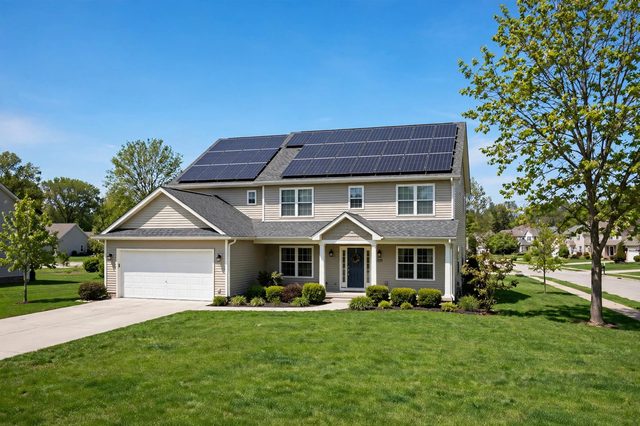
An off-grid inverter works with no utility connection at all: solar panels charge a battery bank through the inverter or a charge controller, and the inverter turns stored battery power into household AC power whenever you need it. It forms its own small power grid for the home, cabin, farm or site it serves.
Because there is no grid to fall back on, sizing is less forgiving. The battery bank must carry you through nights and cloudy days, and the inverter must handle the starting surge of your largest motor loads, such as pumps and refrigerators. If either is undersized, the system does not slow down — it shuts down.
Choose off-grid if there is no grid at your site, or bringing one there would cost more than the solar system itself.
What Is a Hybrid Solar Inverter?A hybrid inverter combines the other two roles in one unit: it connects to solar panels, a battery bank and the utility grid, and decides moment by moment whether power should come from the panels, the battery or the grid. Solar normally serves the loads and charges the battery first; the battery covers the evening or an outage; the grid tops up only when the other sources are not enough.
A hybrid inverter gives you bill savings on normal days and backup power on bad days, without two separate systems. Many models can start without a battery and add one later — confirm that option on the specific model before relying on it.
Choose hybrid if your grid exists but is unreliable, if outages would cost you more than inconvenience, or if you want batteries today or in the near future.
How Do the Three Types Compare Side by Side?| Question | Grid-Tied | Off-Grid | Hybrid |
|---|---|---|---|
| Works without the grid? | No | Yes — it is the only source | Yes, from battery and solar |
| Needs a battery? | No | Yes, always | Optional on many models, recommended |
| Works during an outage? | No | Yes | Yes, if a battery is fitted |
| Exports surplus solar to the grid? | Yes, where permitted | No grid to export to | Yes, where permitted |
| System complexity | Lowest | Highest sizing discipline | Medium |
| Typical use | Homes and factories with stable grid | Remote cabins, farms, islands, sites with no grid | Homes with outages, homes planning storage |
The short version: grid-tied is for savings, off-grid is for independence, and hybrid is for savings plus backup.

Pick grid-tied. It is the simplest system, with the fewest parts to buy and maintain.
Pick hybrid with a battery sized for your essential loads. Lights, Wi-Fi, a refrigerator and phone charging cover most emergencies, and backing up only those circuits keeps the battery — and the budget — much smaller.
Pick off-grid, and size it honestly. List every load, estimate daily energy use, allow for cloudy days in your local climate, and size panels and batteries for the worst month you plan to run, not the sunniest one. In off-grid design, generous storage beats a bigger inverter every time.
Pick hybrid, and confirm in writing that the model you buy can run grid-tied without a battery first and accept one later. This staged route is common, but it only works if the inverter was designed for it.
What Else Should You Check Before Buying Any of the Three?First, match the solar input to your panels. The inverter's solar input voltage range and current limits must suit the way your panel strings are wired; panels in series raise voltage, and cold mornings raise it further.
Second, match the battery voltage and type. Off-grid and hybrid inverters are built for a specific battery voltage and chemistry; mismatched units manage charging poorly.
Third, check continuous and surge power separately. Motors draw several times their running power for a moment at start-up. Judge an inverter by whether its surge rating covers your largest motor starting at the same time as your other loads, not by its headline number alone.
Fourth, choose pure sine wave output. Modern appliances, motors and electronics are designed for it; for a whole-home system there is no sensible alternative.
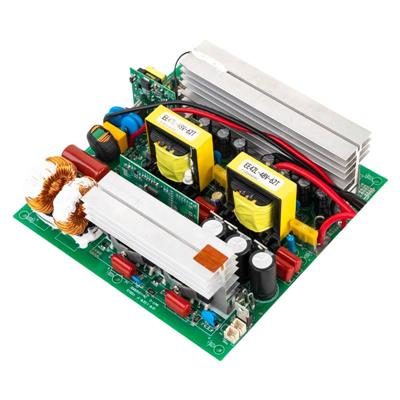
Can a hybrid inverter work without batteries? Many can, running as a grid-tied inverter first, but not all models allow it. Check the specific model's manual or ask the supplier before buying if you plan to add batteries later.
Will a grid-tied inverter power my home in a blackout if I add a small battery? Not by itself. A standard grid-tied inverter has no battery input and must shut down when the grid fails. Backup during outages is exactly the job a hybrid inverter is built for.
Is off-grid always cheaper because there is no electricity bill? No. Off-grid removes the bill but adds a large battery bank, more panels, and battery replacement over the system's life. Where a grid connection already exists, hybrid is usually the more economical route; off-grid wins where extending the grid would be very expensive or impossible.
Match the Inverter to Your Grid, Not to a TrendThe right choice follows from three facts about your site: whether a grid connection exists, how reliable it is, and whether you need power when it fails. Grid-tied for savings on a stable grid, off-grid where there is no grid, and hybrid where you want savings and backup together — decide those three points and the inverter type decides itself.
Zhejiang Sunrise New Energy Co., Ltd. supplies pure sine wave inverters, solar hybrid inverters and off-grid systems for homes, businesses and vehicles. Tell us about your grid connection, your main appliances and whether you need backup power, and we will recommend the right type and size. Visit cninverter.com or contact us: WhatsApp 86 17706649699, email Long@cninverter.com.

We use cookies to enhance your browsing experience, serve personalized ads or content, and analyze our traffic. By clicking "Accept All", you consent to our use of cookies.