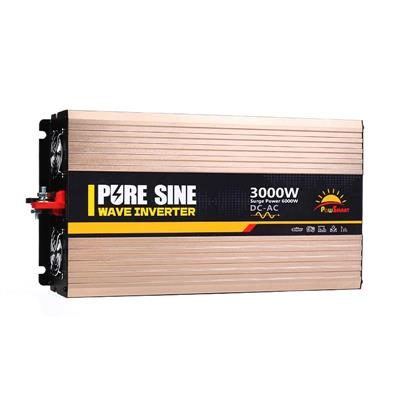
For an inverter you cycle every day, lithium (LiFePO4) is usually the better buy; for occasional backup on a tight budget, lead-acid still makes sense. The headline capacity on the label is not what separates them — it is how much of that capacity you can actually use, how many times you can use it, and what each usable kilowatt-hour costs you over the battery's life. This guide from Zhejiang Sunrise New Energy Co., Ltd. compares the two honestly.
What Is the Real Difference Between the Two?Both store the same thing — energy — but they hand it back very differently. A lead-acid battery (flooded, AGM or gel) is the older, heavier technology: cheap to buy, well understood, and happiest when it is kept nearly full and discharged gently. A lithium iron phosphate (LiFePO4) battery is lighter, tolerates deep discharge, charges faster, and carries a built-in battery management system (BMS) that protects it from over-charge, over-discharge and short circuits.
Neither is "better" in the abstract. The right choice depends on how often you cycle the battery and how much usable energy you need from a given size.
How Much Usable Energy Do You Actually Get?This is the number most buyers get wrong. A 100Ah lead-acid battery and a 100Ah lithium battery do not deliver the same usable energy.
So for the same job — say 1,000Wh of usable backup — you might need two lead-acid batteries where one lithium battery is enough. Always compare usable watt-hours, never the big Ah number on the box.
Your essential loads add up to 200W and you want four hours of backup: that is 800Wh usable. With lead-acid at 50% depth of discharge, you need about 1,600Wh of rated capacity. With lithium at 85%, you need only about 950Wh rated. The lithium bank is smaller, lighter — and often not much more expensive once you count both batteries.

Cycle life is where lithium pulls far ahead. Exact figures vary by brand and by how the battery is treated, but the typical pattern is consistent:
Used a few weekends a year in an RV, a lead-acid battery may die of old age before it runs out of cycles, and that is fine. Used daily in a home backup or off-grid system, the lead-acid bank may need replacing several times while the lithium bank is still going. Daily cycling is the strongest argument for lithium; rare use is the strongest argument for lead-acid.
Weight, Size and Maintenance ComparedA lithium battery typically weighs about half as much as a lead-acid battery of the same rated capacity — and about a third as much for the same usable capacity. In a car, RV or boat, that weight saving is real payload. On a garage floor at home, it matters far less.
Maintenance differs too. Flooded lead-acid batteries need electrolyte checks and ventilation while charging; AGM and gel types are sealed but cost more. LiFePO4 batteries are sealed, need no watering, and can be mounted in any orientation — one reason they suit enclosed vehicle and cabin installations, where the manufacturer allows it.
Which Costs Less in the End?Lead-acid wins on purchase price; lithium usually wins on cost per usable kilowatt-hour delivered over its life. Do the maths before you buy: price divided by (usable watt-hours × expected cycles). A lithium battery costing twice as much but delivering twice the usable energy per cycle and lasting five times as many cycles is far cheaper per unit of energy. The exception: if the system will barely be used, lithium's extra cycle life is value you never collect — for rare emergency use, lead-acid can be the rational spend.
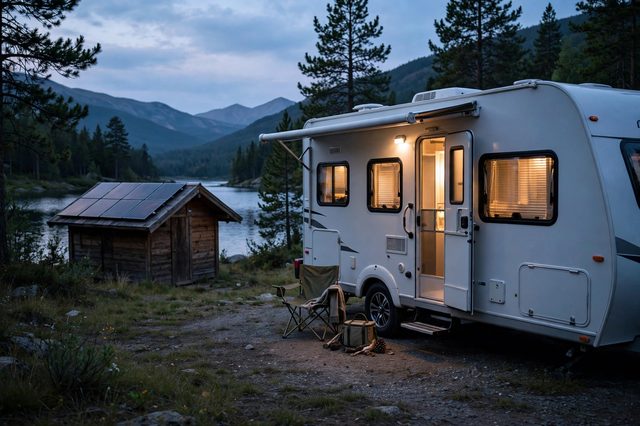
Do not drop a lithium battery into a system set up for lead-acid without checking three things first:
1. Charging voltages. Lithium and lead-acid batteries charge to different voltage profiles. Your inverter-charger or solar charge controller needs a lithium setting or an adjustable profile that matches the battery maker's specification.
2. Low-voltage cut-off. The inverter's low-voltage alarm and shutdown points should suit the battery type, so the BMS is not doing all the protective work alone.
3. BMS current limits. On lithium batteries, the BMS has a maximum continuous discharge current. A large inverter at full power can exceed it and trip the battery, even though the battery's capacity is ample. Match the inverter size to the BMS rating, not just to the amp-hours.
If you are building new rather than swapping, tell your supplier the battery chemistry at the start — the inverter, charger and cables are all chosen around it.
So Which One Should You Choose?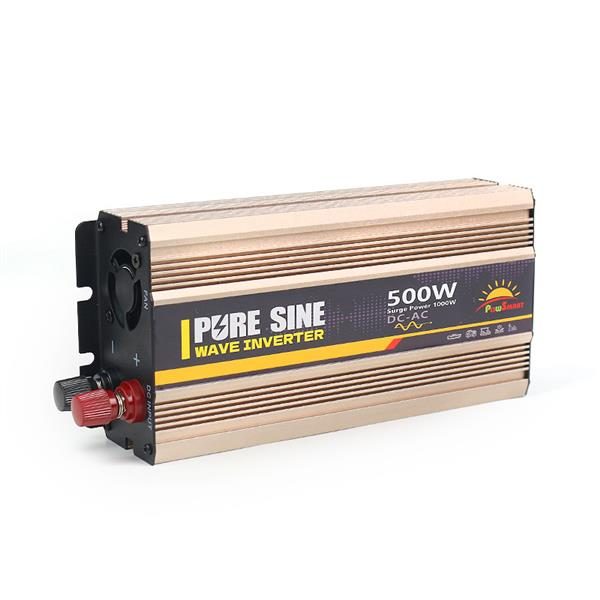
Can I mix lithium and lead-acid batteries in one bank?
No. They charge and discharge at different voltages and rates, so a mixed bank charges unevenly and ages fast. Keep one chemistry per bank, and never mix old and new batteries of the same type either.
Can my existing inverter work with a lithium battery?
Usually yes — the inverter itself only sees DC voltage. What needs checking is the charging side (inverter-charger or solar controller settings) and whether the battery's BMS can supply the inverter's peak current.
Is LiFePO4 safe indoors?
LiFePO4 is widely regarded as the most thermally stable lithium chemistry and is the type normally chosen for home storage. Follow the manufacturer's installation instructions, protect the terminals, and fit the correctly rated fuse close to the battery.
Why does my lead-acid battery seem to lose capacity in winter?
Cold slows the chemistry in both types, but lead-acid capacity drops noticeably in low temperatures, and lithium batteries should not be charged below freezing unless the BMS or a built-in heater allows it. Keep batteries in the most temperature-stable spot you have.
Match the Battery to How You Actually LiveCount usable watt-hours, count cycles, and be honest about how often the system will really work — those three numbers pick the winner every time. Weekend backup on a budget points to lead-acid; daily cycling, tight space and long service life point to lithium.
Zhejiang Sunrise New Energy Co., Ltd. supplies pure sine wave inverters from 300W to 6000W for cars, RVs, trucks, home backup and off-grid solar. Tell us your loads, your target backup time and the battery type you are considering, and we will recommend a matched inverter and battery size. Visit cninverter.com or contact us: WhatsApp 86 17706649699, email Long@cninverter.com.

We use cookies to enhance your browsing experience, serve personalized ads or content, and analyze our traffic. By clicking "Accept All", you consent to our use of cookies.