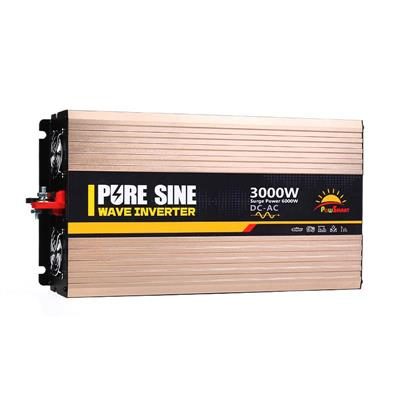
To match solar panels with your inverter safely, keep three numbers inside the inverter's limits at all times: the string's open-circuit voltage must stay below the maximum PV input voltage, the operating voltage should sit inside the MPPT range, and the total array power should be close to — not far above — the inverter's rated power. Get those three right and the system runs efficiently; get the voltage wrong and the inverter can shut down or be damaged. This guide from Zhejiang Sunrise New Energy Co., Ltd. explains it step by step.
What Are the Three Numbers on Every Panel Label?Every solar panel label lists the values you need, and you only need three of them for matching. They are:
Two arrays with the same total watts can have completely different voltages depending on how the panels are wired.
Why Does String Voltage Matter Most?The maximum PV input voltage is a hard limit, not a guideline. When panels are connected in series, their voltages add up. Four panels with a Voc of 50V each make a string of about 200V in mild weather — and more on a cold, bright morning, because panel voltage rises as temperature falls.
A practical rule is to plan the string Voc at roughly 10–20% below the inverter's maximum input voltage, using the coldest conditions your site expects. If the calculated string voltage is close to the limit on paper, remove one panel from the string or split the array into two strings.
Too high risks damaging the inverter's input stage. Too low is less dangerous but still a problem: if the string voltage falls below the inverter's MPPT or start-up range, the inverter may not start in the morning or may drop out on cloudy days, even though the panels are producing some power. Match Vmp to the middle of the MPPT range, not just inside its edges.
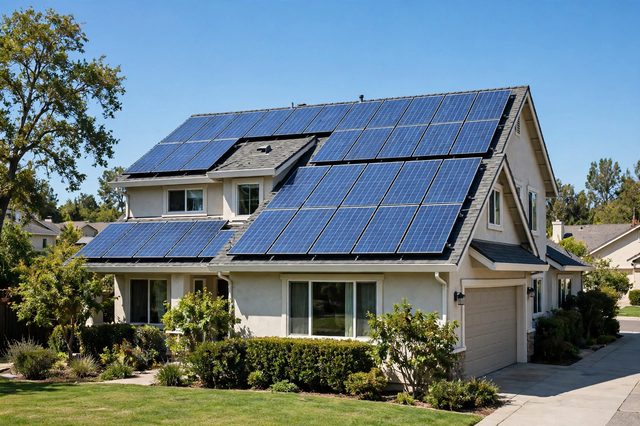
Series raises voltage, parallel raises current — and most systems use a mix of both, called series-parallel. The right choice depends on the inverter's input window and the cable run:
Never mix different panel models, orientations or shading conditions in the same MPPT string if you can avoid it. In series, the lowest current limits everyone.
How Much Panel Power Is Too Much?A common and sensible practice is to size the array at about 100–120% of the inverter's rated AC power. Panels rarely deliver their laboratory rating in real heat, dust and angles, so a modest oversize keeps the inverter working near its efficient range for more hours of the day. On the best midday hours the inverter simply limits output to its rating — called clipping, a small amount is normal when the manufacturer allows that array size.
Far beyond that range is wasteful and can be unsafe on the current side. Check both limits in the manual: maximum PV input power and maximum input current per MPPT. If your array's combined Isc exceeds the current limit, rewire into a different string layout instead of hoping it will be fine.

For off-grid and hybrid systems, there is a second matching job: the solar side must suit the battery voltage as well. A charge controller or hybrid inverter charges a 12V, 24V or 48V battery bank, and higher battery voltages generally allow larger arrays with lower charging currents. As a simple check, charging current is roughly array power divided by battery voltage: a 1,200W array charging a 24V bank works at around 50A before losses, so the controller's charging current rating must cover that figure with margin.
Keep the three matches together: panels to inverter input, inverter to battery voltage, and inverter AC rating to your loads. Changing one part means re-checking the other two.
A Simple Five-Step Matching Checklist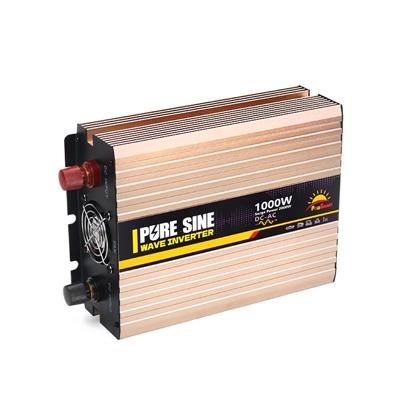
Can I connect panels with different wattages to one inverter?
You can if they are on separate MPPT inputs or in separate strings. In one series string, different wattages usually means different currents, and the weakest panel limits the rest, so output falls and matching gets unpredictable.
What if my string voltage is slightly above the MPPT range but below the maximum?
The inverter will usually still work, but it may run less efficiently and clip or limit power. It is safer and more productive to rewire the array so Vmp sits comfortably inside the MPPT range.
Do I need to match panel voltage to my battery voltage directly?
Not directly when an MPPT controller sits between them — the controller converts the array voltage down to charging voltage. What must match is the array voltage to the controller's input window, and the controller's charging current to your battery bank.
Match It on Paper FirstPanel-to-inverter matching is arithmetic, not guesswork: string Voc below the maximum with cold-weather margin, Vmp inside the MPPT range, current below the input limit, and total power close to the rating. Do that arithmetic once on paper and the installed system starts cleanly, charges properly and stays inside its safe limits every day of the year.
Zhejiang Sunrise New Energy Co., Ltd. supplies pure sine wave inverters from 300W to 6000W, solar hybrid inverters and controllers for home, RV and off-grid use. Send us your panel's Voc, Vmp and wattage and your battery voltage, and we will help you check the string layout before you buy. Visit cninverter.com or contact us: WhatsApp 86 17706649699, email Long@cninverter.com.

We use cookies to enhance your browsing experience, serve personalized ads or content, and analyze our traffic. By clicking "Accept All", you consent to our use of cookies.